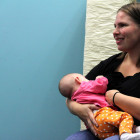
Breastfeeding Rates On The Rise, As Mother-Baby Support Systems Expand

Candid online posts describing the challenges of breastfeeding fill the Facebook page of Breastfeeding USA’s Connecticut chapter. The daily stream of anecdotes, questions and comments alternate in tone from exasperated to celebratory.

“Small victory for today. I actually breastfed in the open with my husband and day care provider in the same room (with a nursing cover, of course), but I haven’t done that yet, so I feel good about it. “

“Any tips to get better pumping results? I went back to work this week and I’m struggling to keep up with the baby.”
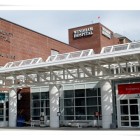

Operating Profits Drop At State Hospitals: New Report

Connecticut’s acute-care hospitals saw gains from their operations tumble 35 percent in the last fiscal year, with seven of 29 hospitals reporting operating losses, according to a new state report.

While hospitals still ended the year with $597 million in profits overall, the report by the state Office of Health Care Access (OHCA) raises concerns that non-operating revenue, such as income from investments, was masking the decline in operating revenue.

Half Of State Hospitals Exceed Infection Rates, New Data Show

State health inspectors visiting Stamford Hospital in late 2012 turned up several infection-control violations, including the improper drying and storage of endoscopes, instruments used to look inside the body.

An inspection of Hartford Hospital in 2012 found an operating room with “dust and darkened debris” on top of pumps attached to IV poles, a container of syringes “overflowing” a protective cover, and brownish stains on the floor and underside of the operating table.

These kinds of lapses, while not directly tied to patient infections, have contributed to Connecticut’s poor ratings on some federal measures of hospital-acquired infections.

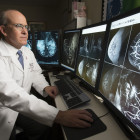
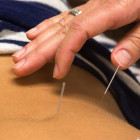
Exploring Black Cohosh, Hot Peppers, In Breast Cancer Treatment

Dr. Erin Hofstatter, a young research scientist and breast cancer specialist at Yale’s Smilow Cancer Hospital, often prescribes tamoxifen, raloxifene and similar drugs to her patients. The drugs “reduce your risk (of cancer recurring) by half … but they come with baggage,” she tells her patients, “hot flashes, night sweats, leg cramps, small risk of uterine cancer, small risk of blood clots, small risk of stroke, you have to get your liver tested.”

Hofstatter’s unease with standard treatments for breast cancer has spurred her to seek alternative, safer ways to treat breast cancer. To this end, she has begun a study of black cohosh, in the pill form of an herb from the buttercup family, used for thousands of years by Native Americans to treat menopausal symptoms.