I-Team In-Depth
Low-Dose Aspirin May Reduce Risk Of Some Cancers
|
What if an aspirin a day could keep cancer away?
Connecticut Health Investigative Team (https://c-hit.org/page/39/)
What if an aspirin a day could keep cancer away?

A simple blood test is transforming the world of prenatal screening, offering women a risk-free way to learn about fetal abnormalities early in pregnancy.
Already, the new test has drastically reduced the demand for amniocentesis, an invasive procedure that diagnoses chromosomal disorders in mid-pregnancy and occasionally causes miscarriage. The blood test, which became available in late 2011, can analyze DNA to predict Down Syndrome and a few other genetic diseases as early as nine weeks in pregnancy, says Dr. Daniel Gottschall, medical director of Women’s Health Connecticut, a group practice with 80 offices around the state.
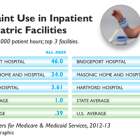
As the state works to improve its mental health system, new federal data show that hospitals in Connecticut restrain psychiatric patients at more than double the average national rate, with elderly patients facing restraint at a rate seven times the national average.
In addition, the state lags behind in providing adequate post-discharge continuing care plans for psychiatric patients, especially teens and the elderly. Connecticut’s 28 inpatient psychiatric units and hospitals developed continuing-care plans for fewer than 70 percent of patients they discharged from October 2012 to March 2013 – indicating that thousands of patients may have left facilities without adequate treatment and medication plans.
A C-HIT analysis of the federal data, released by the Centers for Medicare & Medicaid Services for the first time, show that Connecticut ranks in the top fourth of states (11th highest) in the use of physical restraints in inpatient psychiatric facilities – and is the third highest state in restraining patients 65 and older.
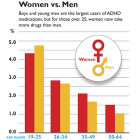
Attention deficit hyperactivity disorder (ADHD) isn’t just for fidgety little boys anymore.
The number of young adult women taking medications for ADHD jumped by 85 percent between 2008 and 2012, according to a recent report by St. Louis-based Express Scripts, a pharmaceutical benefits company.
While children are still more likely to have ADHD, the rate of diagnosis is climbing faster in adults – up 53 percent in grownups versus 19 percent in kids over those four years.
A bill requiring for-profit nursing homes that receive state funding to report their profits and losses from related businesses won legislative approval early Tuesday – a win for the union representing nursing home workers, which had the Malloy administration’s backing.
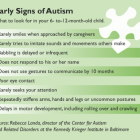
Most children with autism are well past their fourth birthday by the time they’re diagnosed with the condition, according to new government data.
Their parents and teachers may have raised red flags earlier, but it takes months or years to confirm suspicions with a formal diagnosis. And therapy rarely starts without one.

Hospital administrators in Connecticut who have been involved in the unprecedented streak of mergers and consolidations often tout the financial benefits and efficiencies of such moves.
But as the number of independent hospitals in the state dwindles – with more than half of the 29 acute-care hospitals now operating in networks with other hospitals or out-of-state partners – experts and advocates worry that the consolidations will reduce competition in the market and give hospitals more leverage to raise prices. Adding to their concerns is a proposal by a private company to convert four non-profit hospitals to for-profit entities.