
More Than 90 Percent Of CT Hospitals Face Readmissions Penalties

All but one of Connecticut’s acute-care hospitals will lose Medicare reimbursement in 2015-16 as a penalty for high readmissions of discharged patients, new federal data show.

The penalties against 28 hospitals mean Connecticut has one of the highest percentages nationally – more than 90 percent — of hospitals facing Medicare reductions. Only the Hebrew Home and Hospital of West Hartford escaped penalties; the Connecticut Children’s Medical Center is exempted from the federal program.

Derby Pain Clinic Terminated From Medicaid Program

The state has barred practitioners at a Derby pain clinic, including a high-prescribing nurse, from participating in the Medicaid program because of improprieties in treatment and oversight.

Documents from the Department of Social Services (DSS) show the physician heading the clinic, Dr. Mark Thimineur, and four nurses and assistants were notified in July that their participation in the Connecticut Medical Assistance Program, which includes Medicaid, is being terminated on Aug. 30.

Highest Prescribers Of Cancer Drug Paid As Speakers

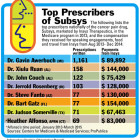
Eight of the top 10 prescribers of a potent narcotic used for cancer pain were paid more than $870,000 in speaking fees by the drug maker in 2013 and 2014 — indicating that Derby nurse Heather Alfonso was not the only high prescriber compensated by the company.

Alfonso, an advanced practice registered nurse (APRN) who worked at the Comprehensive Pain and Headache Treatment Center in Derby, pleaded guilty last month to accepting $83,000 in kickbacks from 2013 to March 2015 from the drug company Insys Therapeutics, which has heavily marketed a painkiller called Subsys, a sublingual fentanyl spray approved only for cancer patients. Alfonso was paid to speak about Subsys at more than 70 “dinner programs,” but most of those programs were attended only by her and a sales representative for Insys, or by Alfonso’s colleagues and friends who had no authority to prescribe the drug, according to the U.S. Attorney’s Office for Connecticut.

Can The FDA Adequately Police Generics?

As the federal government advocates increased use of generic drugs, concerns are mounting about the U.S. Food and Drug Administration’s oversight and the quality or effectiveness of some generics.

In the last eight months, the FDA has acknowledged that two generic versions of the attention-deficit/hyperactivity disorder drug Concerta it approved may not work as effectively as the brand-name product. The agency told the drugs’ manufacturers to confirm their effectiveness or withdraw them from the market.

Meriden Family Sues Nurse For “Potentially Deadly” Prescribing

The family of a Meriden man who died in 2013 at age 56 is suing Derby nurse practitioner Heather Alfonso and the pain clinic where she worked, alleging that her rampant overprescribing of narcotics contributed to his death.

Joseph Torchia’s wife and son claim in a lawsuit filed in Waterbury Superior Court that Alfonso, who was recently charged by federal prosecutors with accepting kickbacks from a drug company, prescribed “unlawfully high” doses of narcotics to Torchia for more than a year, ignoring signs that he was suffering from liver cirrhosis, gallbladder disease, internal bleeding and narcotics’ dependency.