Medication Helps People Stay Off Opioids
|
Combining medication with other forms of therapy can help people with opioid addition avoid relapse by calming cravings and managing the symptoms of withdrawal.
Connecticut Health Investigative Team (https://c-hit.org/page/25/)
Thanks to everyone who read and supported the Conn. Health I-Team. Publication of new content stopped as of Dec. 31, 2022. Since 2010 C-HIT has published in-depth public service journalism on a range of topics, including systemic problems within the health care system, health disparities in chronic illnesses, inequities in health care access, barriers to care in under-served communities, including LGBTQ+.
Combining medication with other forms of therapy can help people with opioid addition avoid relapse by calming cravings and managing the symptoms of withdrawal.

A New Britain couple, seriously hurt in a cellphone-related car accident on Route 8 in Harwinton, received a $1.3 million settlement in November. The previous year, a jury awarded a Torrington woman $1.4 million after a driver, talking on his cellphone while turning, struck her head-on, breaking her wrist and causing permanent injuries to her neck and back.
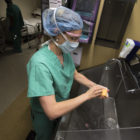
When the lights power on in the operating room at Bridgeport Hospital, more than a half of the acute care team of surgeons peering from behind the masks are women. That’s unusual, given that only 28 percent of all surgeons in Connecticut are female, according to the latest figures from the American Medical Association (AMA).
Adult children should talk with parents about health and end-of-life preferences long before these matters become urgent, experts in the field say.
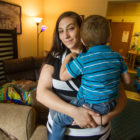
Last May, Samantha Collins’ drug use, legal problems and dealings with the Connecticut Department of Children and Families forced her to strike a bargain with the agency.
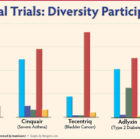
Edith Baker of Plainville faced a devastating reality that patients with advanced cancer inevitably confront. She had stopped responding to conventional treatment. Radiation and chemotherapy could no longer contain her stage 4 bladder cancer.
But there was a ray of hope. Baker’s oncologist at Saint Francis Hospital and Medical Center referred her to a clinical trial at UConn Health involving two immunotherapy drugs: the FDA-approved Keytruda (pembrolizumab) from Merck & Co., credited with successfully treating former President Jimmy Carter’s melanoma; and Epacadostat (IDO1 inhibitor), an experimental drug from Incyte Corp. Immunotherapy is a cutting-edge treatment in oncology today, enabling the patient’s own immune system to destroy rogue cancer cells.

Inside the 60 West nursing home in Rocky Hill, two residents played solitaire to the sound of soul music. Others sat in wheelchairs beneath a simulation of rolling clouds, while one got a haircut in a barbershop decorated with Red Sox posters.